Sustainable Packaging for Clothing Brands: What Actually Matters?
In This Guide
Explore the key sections, comparisons, frameworks and frequently asked questions covered in this guide.
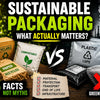
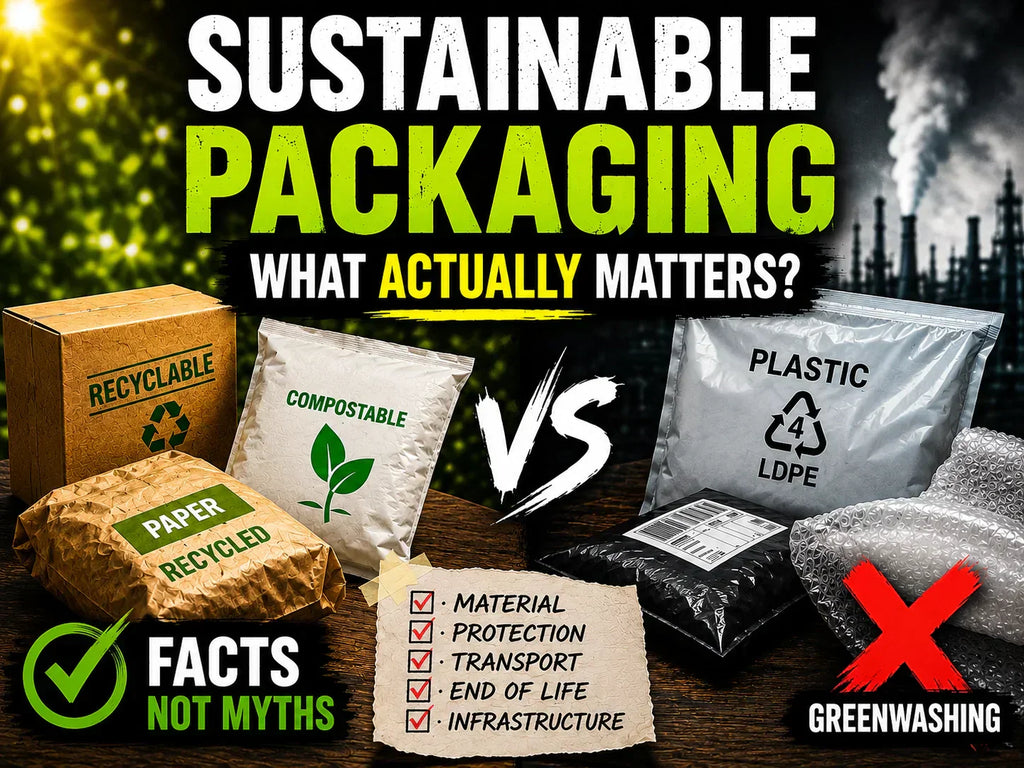
Sustainable packaging has become one of the most visible parts of modern retail. Clothing brands regularly promote recyclable mailing bags, compostable alternatives, recycled cardboard boxes and plastic-free deliveries as evidence of their environmental credentials. At first glance, choosing more sustainable packaging appears straightforward.
In reality, it rarely is.
The environmental performance of packaging depends on far more than the material itself. Manufacturing methods, transport, product protection, recycling infrastructure, packaging efficiency, and even how customers dispose of packaging all influence the outcome.
That's why simple claims such as "plastic-free", "100% recyclable" or "eco-friendly packaging" don't always tell the whole story. One material may perform exceptionally well in one situation but create greater environmental impacts in another. Replacing plastic with paper doesn't automatically reduce a product's environmental footprint, just as using recycled content doesn't guarantee the most sustainable outcome.
This guide takes an evidence-led approach. Rather than declaring one packaging material the universal winner, we'll examine the factors that genuinely influence environmental performance, compare the most common packaging options used by clothing brands and explain how to evaluate sustainability claims with greater confidence. By the end, you'll understand why the best packaging decisions depend on complete systems rather than individual materials.
Key Takeaways
- Sustainable packaging isn't about finding a single perfect material—it's about designing the most appropriate packaging system for the product, fulfilment model, and supply chain.
- Every packaging material involves trade-offs, so paper, recycled plastic, cardboard and compostable packaging each suit different products and distribution methods.
- Product protection forms part of sustainability because preventing damage reduces unnecessary replacements, additional transport and avoidable waste.
- Recyclable and compostable packaging only deliver their intended environmental benefits when suitable collection or composting infrastructure exists, and customers can realistically use it.
- Certifications strengthen environmental claims by providing independent evidence, but each certification applies only to its defined scope.
- The strongest packaging decisions rely on lifecycle thinking, credible evidence and efficient packaging design rather than marketing language alone.
Why There Isn't a "Most Sustainable" Packaging Material
Many discussions about sustainable packaging begin by comparing materials.
Is paper better than plastic?
Should clothing brands switch to compostable mailers?
Are cardboard boxes always more environmentally responsible than mailing bags?
They sound like sensible questions, but they overlook much of what determines a package's overall environmental performance.
Every packaging material involves trade-offs. A lightweight recycled LDPE mailing bag uses relatively little material and occupies very little space during transport, helping reduce vehicle weight and improve transport efficiency. A cardboard box, on the other hand, often provides much better protection for larger or more fragile shipments. If that additional protection prevents products from being damaged, returned or replaced, the overall environmental outcome may actually improve. Neither material automatically provides the more sustainable solution, as each addresses a different problem.
Packaging doesn't begin when a customer receives a parcel, nor does it end when they throw it away. Raw material extraction, manufacturing, transport, storage, product protection, reuse, recycling and end-of-life treatment all influence its overall impact. Looking at only one stage almost always produces an incomplete picture.
That's why environmental specialists increasingly evaluate packaging through lifecycle thinking rather than simple material comparisons. Instead of asking whether one material is inherently good or bad, they examine how the complete packaging system performs from production through to disposal.
That wider perspective also explains why two businesses using apparently similar packaging can produce very different environmental outcomes. One company may minimise waste through right-sized packaging, efficient packing methods and responsible sourcing. Another may use significantly more material than necessary to ship the same product. The packaging looks similar, but the overall performance differs.
Product protection forms part of that wider system too.
Damaged garments require replacement, additional transport and extra packaging. If inadequate packaging causes products to arrive damaged, the environmental impact of replacing those garments can outweigh any savings achieved by choosing a lighter or lower-impact packaging material in the first place.
Looking at packaging through that wider lens completely changes the comparison. Rather than searching for a universally sustainable material, clothing brands can begin evaluating complete packaging systems and the evidence supporting them.
What Actually Makes Packaging More Sustainable?
Once you move beyond individual materials, the discussion becomes much more practical. Instead of searching for a single "best" packaging material, you can begin evaluating the decisions that genuinely influence environmental performance.

One of the most effective improvements is often the simplest: use only the packaging you actually need. Right-sized packaging, eliminating unnecessary fillers and avoiding excessive layers, all reduce resource consumption before recycling or disposal even becomes part of the conversation.
The purpose of the packaging also matters. A lightweight mailing bag may be an excellent solution for a single folded T-shirt travelling directly to a customer. At the same time, a wholesale clothing order containing dozens of garments may require a robust cardboard box to prevent damage in transit. Neither option automatically performs better because each addresses a different requirement.
Keeping packaging in use for longer can also reduce demand for new materials. Reusing suitable packaging extends the life of products that have already been manufactured, rather than consuming additional resources to replace them immediately. For example, The T-Shirt Bakery reuses suitable supplier boxes for outgoing wholesale and bulk orders where practical. That approach doesn't eliminate the need for new packaging, but it allows existing materials to complete additional journeys before entering recycling or waste streams.
Recovery infrastructure deserves equal consideration. A recyclable package delivers its intended environmental benefits only when suitable collection and recycling facilities are in place. Compostable packaging faces a similar challenge because many materials require industrial composting facilities rather than home compost heaps. Choosing a technically recyclable or compostable material doesn't automatically mean local recovery systems can process it after use.
Finally, credible evidence matters far more than broad environmental language. Terms such as "eco-friendly", "green packaging" and "sustainable packaging" sound reassuring, but they tell you very little on their own. Credible manufacturers support environmental claims with recognised certifications, transparent documentation and clearly explained material specifications. Looking beyond marketing language helps clothing brands understand exactly what they're buying and why one packaging solution may suit their requirements better than another.
Together, these principles provide a much stronger framework for evaluating packaging than simply comparing paper with plastic. They also prepare us for the next stage of the guide, where we'll compare the packaging options most commonly used by clothing brands and examine the strengths, limitations, and trade-offs of each.
Comparing Sustainable Packaging Options for Clothing
Once you start comparing complete packaging systems rather than individual materials, one thing quickly becomes clear: every option involves trade-offs. No single packaging material delivers the lowest environmental impact in every situation because each performs differently depending on the product, the supply chain and what happens after the customer receives it.
That's why broad claims such as "paper is always better than plastic" or "compostable packaging is the future" rarely survive closer examination. A packaging material may perform exceptionally well in one application while creating unnecessary environmental costs in another. The better question isn't which material wins overall, but which packaging system best suits the job.
The comparison below summarises the strengths and limitations of the packaging options most commonly used by clothing brands. It doesn't attempt to declare a universal winner. Instead, it provides a practical reference for understanding where each packaging system performs well, where trade-offs exist and why context always matters.
Comparison: Sustainable Packaging Options for Clothing Brands
One pattern immediately stands out from the comparison.
No packaging option performs strongest in every category.
Paper mailers integrate well with established recycling systems and use renewable fibres, but they generally offer less moisture resistance than plastic mailers. Recycled LDPE mailers use relatively little material, protect garments effectively during transport, and reduce transport weight, although access to local recycling still varies across the UK. Cardboard boxes provide outstanding protection for larger shipments but typically require more material and increase parcel weight. Compostable packaging addresses a different environmental objective altogether, yet its success depends on the availability of suitable composting infrastructure for post-use disposal.
Those differences explain why many clothing businesses use more than one packaging solution. A lightweight mailer may suit an individual online order perfectly, while a wholesale shipment containing dozens of garments may justify the additional protection of a cardboard box. Both decisions can support environmentally responsible packaging by solving different logistical problems.
What the Evidence Really Says About Packaging Claims
Marketing often presents packaging as a simple choice between good and bad materials.
The evidence tells a different story.
Research consistently shows that environmental performance depends on the entire packaging lifecycle rather than on any single characteristic. Material choice matters, but manufacturing, transport efficiency, product protection, opportunities for reuse and end-of-life recovery all shape the overall outcome.
Take recyclable packaging as an example.
A package may satisfy the technical definition of recyclable, but that alone doesn't guarantee local recycling systems will actually recycle it. Collection systems vary between local authorities, recycling infrastructure differs across regions, and contamination can prevent otherwise recyclable materials from entering the recycling stream. Technical recyclability and real-world recycling are not always the same thing.
Compostable packaging presents a similar challenge.
Many compostable mailers require industrial composting facilities that operate under carefully controlled conditions. Where those facilities exist, compostable packaging may provide an appropriate solution for some applications. Where they do not, the environmental benefits become much less certain because local waste systems may never direct the packaging into the recovery process it requires.
Recycled content deserves similar consideration.
Using recycled materials generally reduces demand for virgin resources, but recycled content alone doesn't determine a package's overall environmental performance. Designers still need to minimise material use, protect products effectively and choose packaging that customers can realistically recover after use.
The strongest environmental claims combine several forms of evidence rather than relying on a single feature. Manufacturers that publish recognised certifications, clearly explain recycled content, describe appropriate disposal routes, and provide transparent technical documentation allow customers to make much better-informed decisions than those relying on broad environmental language alone.
That naturally leads to another important distinction.
Not every certification measures the same thing.
Some certifications focus on responsible forestry. Others assess recycled fibre, compostability or broader environmental management systems. Understanding that scope helps clothing brands evaluate packaging claims with much greater confidence.
Certification Scope Comparison
| Certification | What It Covers | What It Does Not Automatically Prove |
|---|---|---|
| FSC® | Responsible forest management and certified fibre sourcing | That the finished packaging has the lowest environmental impact |
| PEFC | Sustainably managed forests and verified chain of custody | That one material is environmentally better than another |
| FSC Recycled | Verified recycled fibre content | The packaging can be recycled everywhere |
| OK compost INDUSTRIAL | Industrial compostability under specified conditions | Home compostability or universal composting access |
| OK compost HOME | Compostability under suitable home composting conditions | That local authorities collect compostable packaging |
| Mobius Loop | Packaging is capable of being recycled, or contains recycled content where stated | The local recycling systems will definitely recycle it |
A certification can verify a specific sourcing, content or product-category claim. It rarely proves that the entire packaging and fulfilment system is sustainable.
The pattern should feel familiar by now.
Just as one material cannot tell the whole sustainability story, neither can a single certification; each certification answers a specific question, and understanding those boundaries prevents clothing brands from concluding that the evidence doesn't support it.
So if materials, certifications and marketing claims don't provide complete answers on their own, what should clothing brands actually prioritise?
The most effective packaging decisions rarely come from evaluating one feature at a time. They come from understanding the complete fulfilment system, asking better questions and weighing the evidence behind every claim.
That's exactly what the next section explores.
Questions to Ask Before Choosing a Packaging or Fulfilment Partner
If sustainable packaging is important to your business, don't stop at asking whether a supplier uses recycled, recyclable or compostable packaging.
Instead, ask questions that help you understand the thinking and evidence behind their packaging decisions.
- How do you decide which packaging to use for different orders?
- Do you use different packaging for individual, wholesale and bulk shipments?
- How do you minimise unnecessary packaging without compromising product protection?
- What recycled content do your packaging materials contain?
- Which recognised certifications are your packaging materials certified to?
- Can you provide links to the relevant manufacturer documentation or certification information?
- Is your packaging widely recyclable, home compostable or industrially compostable?
- What should customers do with the packaging after they receive it?
- Do you reuse suitable packaging where appropriate?
- How do you balance product protection with reducing material use?
The answers often reveal far more than the packaging materials alone. Suppliers that explain their decisions clearly, understand the limitations of different materials and support their claims with evidence generally inspire greater confidence than those relying on broad environmental statements alone.
A Simple Framework for Evaluating Sustainable Packaging
The research points to a simple conclusion: judging packaging by a single feature almost always leads to the wrong answer.
Instead, evaluate the complete packaging system.
Sustainable Packaging Decision Framework
| Consideration | Why It Matters |
|---|---|
| Product protection | Prevents unnecessary replacements, additional transport and avoidable waste. |
| Material efficiency | Uses only the packaging genuinely required for the shipment. |
| Recycled or renewable content | Reduces reliance on virgin resources where appropriate. |
| Recovery after use | Considers whether customers can realistically recycle or compost the packaging. |
| Evidence and certification | Relies on recognised certifications and transparent manufacturer documentation rather than marketing claims alone. |
| Suitability for the application | Matches the packaging to the product, order size, and distribution method rather than applying a single solution everywhere. |
Viewed together, these factors provide a much more reliable way to evaluate packaging than simply asking whether it is paper, plastic, or compostable. They also encourage better long-term decisions by considering the entire packaging journey rather than a single characteristic.
Final Thoughts
So, what is the most sustainable packaging for clothing brands?
The available evidence doesn't identify a universal winner.
Paper, recycled plastic, cardboard and compostable materials all offer genuine advantages, but each also introduces different compromises. The most environmentally responsible choice depends on the product, how it moves through the supply chain, the available recovery infrastructure and the evidence supporting the environmental claims.
That's why the most useful question isn't whether one material is better than another.
It's whether the complete packaging system uses resources efficiently, protects the product effectively and supports its environmental claims with credible evidence.
Look beyond the material.
Look beyond the marketing.
Evaluate the whole system.
That's how clothing brands make better packaging decisions.
❓ Frequently Asked Questions About Sustainable Packaging
The guide above explains why sustainable packaging involves far more than choosing between paper and plastic. These frequently asked questions answer some of the most common follow-up questions from clothing brands, retailers and organisations looking to make more informed packaging decisions.
📦 What is the most sustainable packaging for clothing?
There isn't a single packaging material that's always the most sustainable. The best choice depends on the product, the shipping method, the amount of packaging used, product protection, recovery infrastructure and the evidence supporting any environmental claims. Evaluating the complete packaging system usually provides a more accurate answer than comparing materials in isolation.
♻️ Is paper packaging always better than plastic?
No. Paper offers several environmental advantages, particularly when sourced responsibly and recycled effectively, but it generally weighs more and provides less moisture resistance than many plastic mailers. Recycled plastic packaging can use less material and reduce transport weight. The most appropriate choice depends on the application rather than the material alone.
🌿 Is compostable packaging better than recyclable packaging?
Not necessarily. Compostable packaging can perform well where suitable composting facilities are available, but many compostable materials require industrial composting systems that are not widely available. Recyclable packaging may provide a better environmental outcome where well-established recycling infrastructure exists.
🚚 Does lightweight packaging reduce environmental impact?
Often, yes. Using less material and reducing parcel weight can lower transport emissions and reduce resource consumption. However, packaging must still protect the product effectively. If inadequate packaging results in damaged garments that require replacement, the environmental impact can increase significantly.
🏷️ What certifications should I look for on sustainable packaging?
That depends on the environmental claim. Certifications such as FSC® and PEFC relate to responsibly sourced forest materials, while compostability certifications apply to compostability under specific conditions. Always check what a certification covers before assuming it proves broader environmental performance.
📄 Does recyclable packaging always get recycled?
No. Technical recyclability and real-world recycling are not the same thing. Whether packaging is actually recycled depends on local collection services, recycling infrastructure and how customers dispose of it after use.
📦 Is reusing packaging more sustainable than buying new packaging?
In many situations, yes. Reusing suitable packaging extends the useful life of materials already produced and can reduce demand for new resources. However, reused packaging still needs to protect the product effectively and remain fit for purpose.
💬 How can I tell whether a packaging claim is genuine?
Ask for evidence rather than relying on marketing language. A credible supplier should explain why they use a particular packaging system, provide supporting documentation where appropriate, understand the certifications relating to their packaging and acknowledge the limitations of different materials.
-
Posted in
Business, Ecommerce, Sustainable